
A while back, I mentioned that I’m having to change some of my preparedness food stocks due to digestive issues from being hit by lightning. For all that I am Blessed to have gotten up again, and have seen some miraculous healing on the cardiac front, my digestive system has some issues. A few weeks ago, after the first major intestinal flare in two or three years sent me to the ER, I decided to go hardcore.
I won’t bore you with all the details, but among other issues is the need to avoid beans and bean products (including oils from beans, like soybeans among others). In fact, avoiding most seed oils has been presented as a good idea, along with avoiding legumes, sugar, grains, and other delights. Given that I was born allergic to almost everything but meat, dairy, chocolate, and potatoes, I’m eating pretty much what I could eat then just minus the potatoes. In short, I’m pretty much on a carnivore diet via eating meat, cheese, mushrooms, and some onion. I do get some peppers on occasion, but have to watch them as they can set things off. To answer a question I was asked recently, spices are not a direct cause, but they can be an aggravating factor.
So, I went hardcore about four (five?) weeks ago. Add in no alcohol to the above too. Week before last met with my doctor after having blood work done. Amazingly good results, and anything that wasn’t where I wanted it was trending towards where I wanted it. My triglycerides were down by half, the digestive system was happy, and we are on a path that could see me off most or all cardiac medicines in a year. Part depends on getting the gym on a regular basis for some intense workouts, and I’m trying to make that happen despite coursework and other demands on my time.
So, I’ve been working to add a lot more meat to my emergency stocks. A couple of months ago, I bought into a bulk deal that got me about 60 pounds of beef for a very reasonable price (less than a formal 1/8 of a cow) from a local farm and butcher. I think you can guess my thoughts on some of the USDA regulations and the processing monopoly (President Trump nuke that nightmare now!). Half the beef was ground beef, all was frozen, and I wanted to explore a shelf-stable option for some of it. So, I tried my hand at canning some of it.
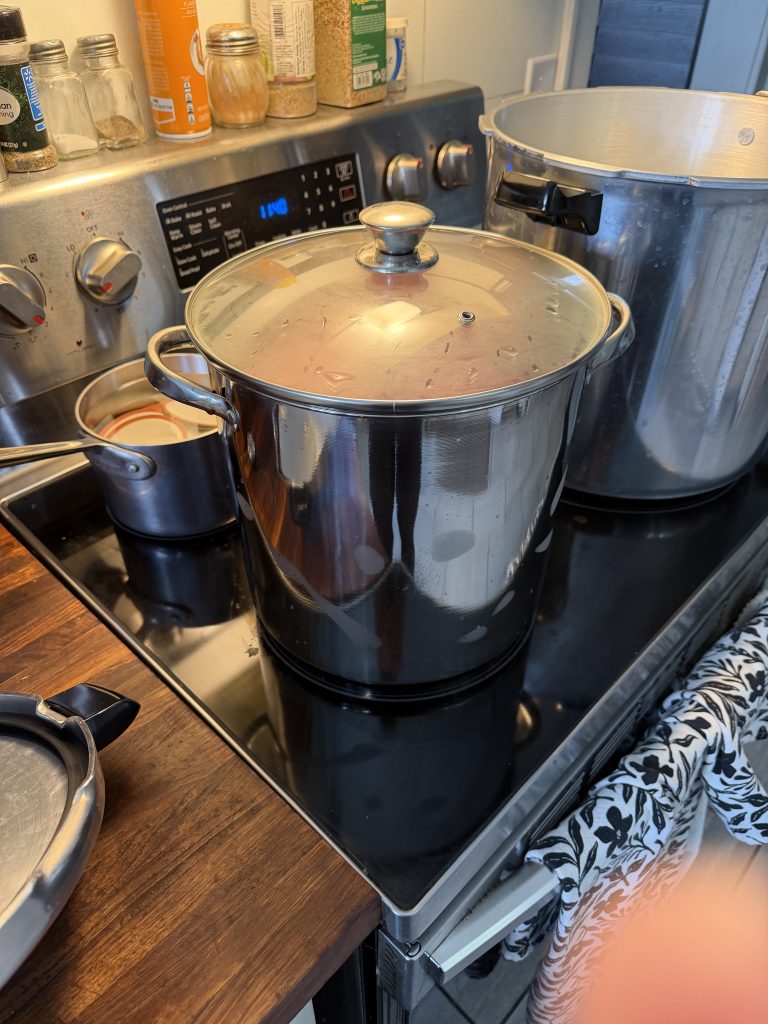
For my first time canning ground beef, it didn’t go too bad. I got some very good advice from a friend (who is a certified food preservation expert) and went at it. I par-cooked the ground beef and tried to get rid of as much fat as I could. In a true survival situation, getting enough fat is the big problem. Eating six large moths as I was taught really wasn’t that appealing. Yet, fat in canning can have a negative effect on the sealing. I actually ended up with more fat than I expected, and plan to do things a bit different next time.
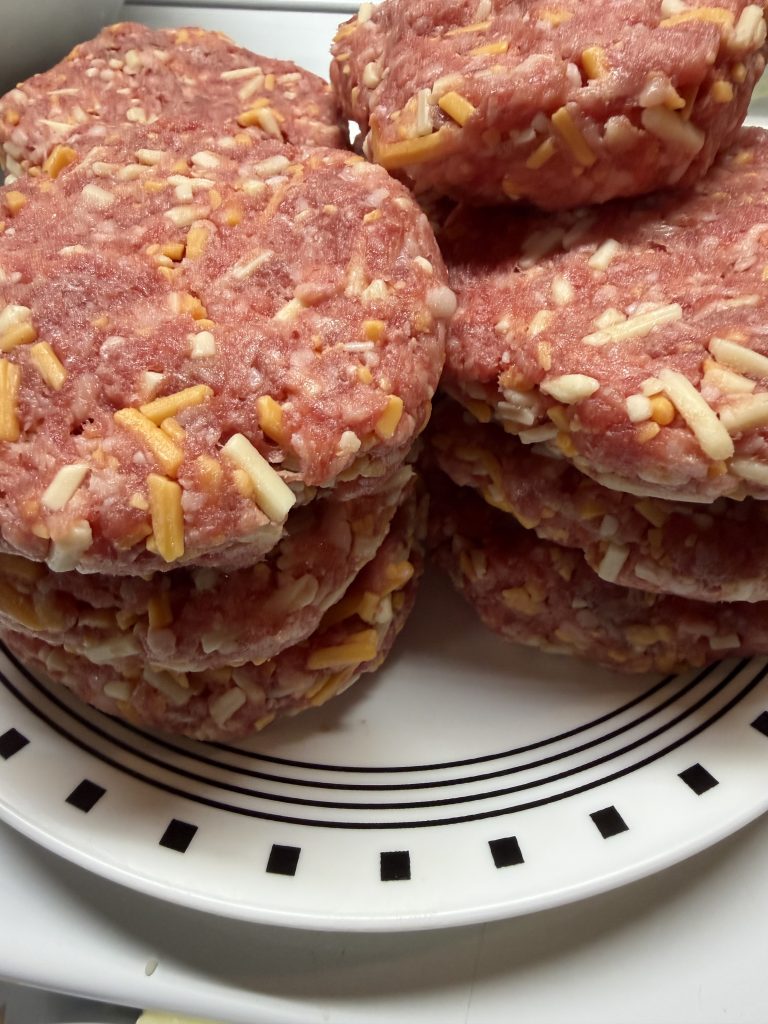
Yes, I used boiling water as dry canning isn’t the way to go no matter how many rebel canning videos you watch. May switch it for homemade beef stock next time. Besides, the “water” ends up filled with nutrients, including fat, and can be used to add to your water/liquid requirements for the day. It is a very useful way to augment your water supplies. Neat watching the jars continue to boil even after coming out of the pressure canner.
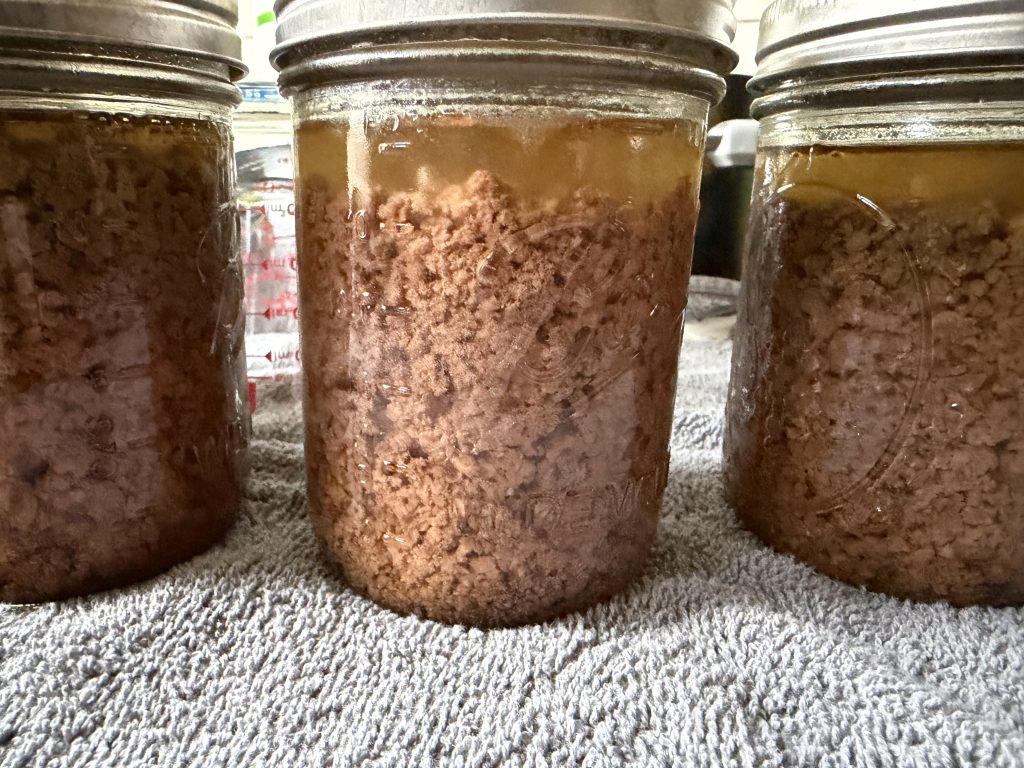
And, as you can see here, more fat in there than I intended. Next time, plan to do the separation differently so as to reduce the fat in the jars while adding to the fat I can render/refine into beef tallow. Yes, I have started rendering my own beef tallow to go with the bacon drippings and other delights.
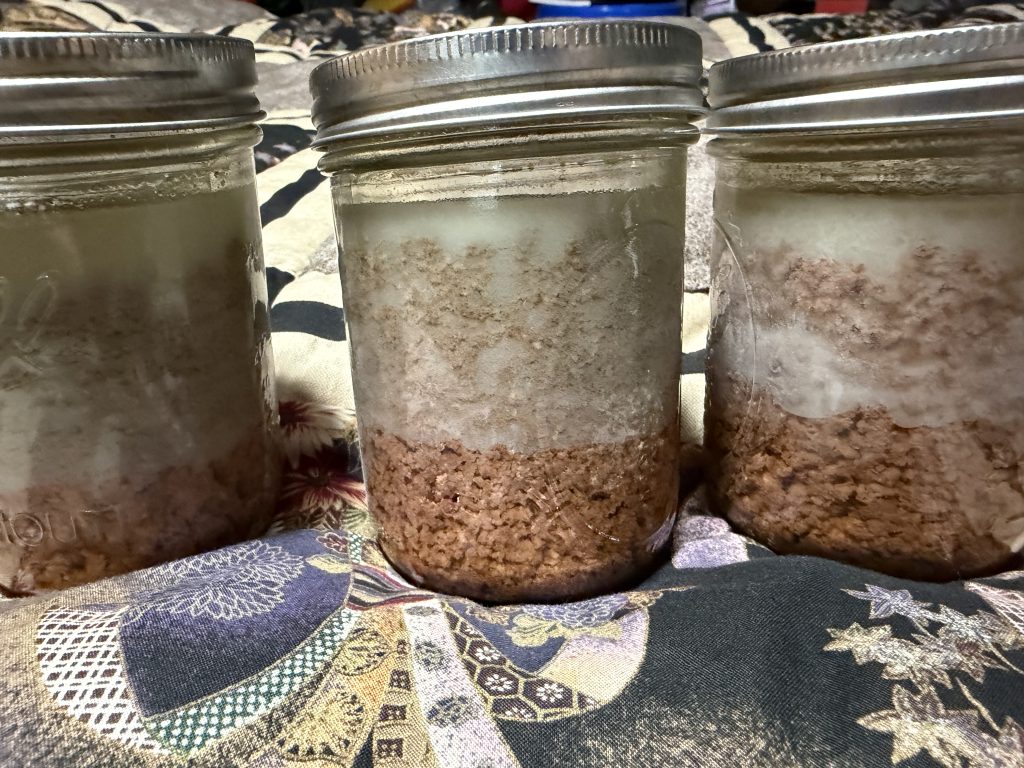
Number of lessons learned, and plan to kick things up a notch next go round. Plan to do some ground beef with homemade taco seasoning, some with homemade chili seasoning, etc. Really want to can some of my good chili, and in reviewing what the big book of Ball has to say seems doable. Also, plan to can soups and some broth here soon. More on that when it happens.
Next up, my adventures canning some beef brisket. Nice thing was, not only got canned meat, but some really good tallow and beef consomme out of it.
UDATE I: Welcome Instapundit Readers! As always, please feel free to look around, join in a conversation (rational discourse appreciated), and check out some of the other topics and posts. Scroll down as there are smaller posts between the larger ones. You might enjoy some thoughts on securing European nukes, some discussion on the FlyDubai incident, or browsing through some of my pilgrimage and theological posts. Or perhaps reading about the untold story behind Hogan’s Heroes. Or, if interested in Preparedness, start here and work your way forward. Grab a drink and a snack, and be welcome.
Getting hit by lightning is not fun! It is thanks to your gifts and prayers that I am still going. If you would like to help me with seminary courses, pilgrimages, and more, feel free to hit the fundraiser at A New Life on GiveSendGo, use the options in the Tip Jar in the upper right, or drop me a line to discuss other methods. There is also the Amazon Wish List in the Bard’s Jar. Thank you.
Decades ago a neighbor Up Nord annually grilled and canned hamburger patties to enjoy in winter.
For nice clean fats look into souz vide. The bacon fat is amazing.
I’ve read a little bit about that, and may give it a try one day. Two issues for me though: One, I’ve read more than one account that the texture suffers (a lot); and, Two, ensuring even heating for proper canning. For me, I need to read up a bit more before trying.
I did mine into meatballs. I was worried about a tight packed core.
I might think about that, but I just kept things loose with the pack. Air bubble tool for the win! 🙂
I buy ground beef canned. They sell it at walmrt and cstco. Amzn too but way more $ for the same thing. These days I’m freeze drying everything. Got the machine for 2k usd add another 500 for accessories. If you can swing the spend its pretty great. Does not like fat, so brown drain and consider rinse with a colander then freeze dry. Chili and stuff that’s easy. Hope you feel better soon.
The problem with a lot of canned goods for me is all the “extra” stuff in them. A good bit of it are things I’m not supposed to be eating, in any quantity. Can’t swing $2k right now, but will be keeping it in mind!
Go easy on the spices as some intensify during the canning process. You can always spice up chilis and soups during reheating. Much harder to tone down the burn or intensity after the fact.
I am aware, and most of the recipes I have rather strongly say go sparingly as in a quarter teaspoon per jar. Plan to experiment a bit and see what works best. I tried a “smoked” brisket here the other day and wasn’t impressed, esp. given the rave comments about it. I either didn’t use enough liquid smoke; or, the hype wasn’t deserved. May experiment a bit to find out. 🙂
I prefer a grinder/stuffer to make beef sticks. Then dehydrate them and pop them in the freezer.
Thing is, one of the reasons I am canning is to avoid having the freezer as a single-point failure node. May not have made that as clear as I should in the article, but trying to get a good bit shelf-stable as power outages (in winter especially) are a feature here. If I owned instead of renting a room, would love to have a smokehouse…
We regularly can meat. C anning is a cold weather sport best done in the winter. Fajita chicken is the easiest. Strip off the fat, stuff the raw chicken into a pressure canner and leave it for 90 minutes. The chicken is cooked while canning.
Ground beef is harder. Raw hamburger comes out cooked, but an unappealing red. We brown the meat and drain the fat. Almost all hamburger is pressure canned as chili (without beans). Canned stews round out the mix. Both last at least two years.
This makes an easy dinner as well as long term storage.
It looks as though I may be able to can my favorite home-cooked spaghetti sauce, and possibly my cowboy chili. Going to explore that, and here in a few weeks will be doing some soups and such. Will see about adding some stews into that. Thanks!
My wife has severe digestive issues as well as allodynia and paresthesia. We have been trying to chase down the cause. Reading this made me remember that she got severe electric shock many years ago (standing in ankle deep water in a flooded basement and unplugging a fish tank). Apparently, that can cause the same type of problems as a lightning strike. Any suggestions on how to proceed would be greatly appreciated.
I wish I had a lot of good advice to give, but here’s what I can provide. First, look up Lightning Strike and (High Voltage) Electrical Shock Survivors (LSESSI) and see what resources may be there. Good info and some good people there, who may have some info even if it doesn’t count as a High Voltage Electrical Shock. Second, my digestive issues are an ongoing battle. I have not yet sought out a gastrointerologist, but may do so if things keep going. A lot of what I’ve done is hit and miss, with assistance from my GP. Interestingly enough, the GP’s office told me early on that I was mostly on my own as I was the first lightning strike patient they had ever had, and they didn’t have a clue. My GP has jumped in, learned, and done what he can. Keep in mind that a lot of insurance code diagnoses are catch-alls. For example, IBS covers about 12 different problems/issues. Even diverticulitis is not completely cut and dry. Drop me a line at the e-mail above and I will be glad to share what I can, and do what I can to help.
I got into canning specifically to take advantage of the occasional deep sale on chicken fajita thighs. I’ve also canned ham, as well as uncured pork shoulder. I prefer to cook the meat before canning, but that’s a personal taste/paranoia. I doubt I can add anything new, just reinforce for anyone interested in trying it that USDA recipes are *minimums*, and it doesn’t hurt to go over-and-above them just to be sure. Also, as a key failsafe, whenever I pop open a jar, it goes immediately into a pot (with additional water to cover) to boil for at least 10 minutes; the USDA says that’s enough to kill botulism, which is the major threat when canning (and is odorless and invisible, so I never risk eating out of the jar).
I’ve never tried it myself, but ISTR that Bill Quick used to brag about his “pemmican muffins” back in the day; I believe he took lean beef, cooked it, drained/dried it, put it in the bottom of a muffin pan, and then poured pure beef tallow over the top and stuck it in the oven. Once it cooled and the tallow solidified, he had a “hockey puck” of pemmican. His recipe, or something like it, is probably still floating out there somewhere. I believe he stated that the key was to completely separate the meat and the fat and process each individually, before combining them again for the final step.
Good points, and will have to see what I can find from Bill Quick on that. Thanks!
Hiya, and all of that sounds healthy to me! Went paleo around 2010 and although I’ve been off the wagon I’m now getting back into it harder-core since I’m retired, toward increased / stable health while aging as well as having more time to do all the things I should be doing. So, rendering your own tallow, lard, etc. is smart and not difficult once you get the hang of it. You may also consider jerky – not as shelf-stable as canned but less hands-on prep time.
I have not canned meat but it’s on my list. Here’s a lady in Vermont (not a prepper but homesteader), Creative Canning, with TONS of info and recipes that I hope you can adapt to your stricter requirements. (Are links not allowed? Anyway, you can find it, and there’s a whole section on Meat Canning.)
No affiliation, just hope it may give you some additional ideas and tips!
Thanks! I did paleo years back, and did well on it. Sadly, had drifted away from it and after the lightning strike got too far from it. Probably didn’t help that I was fasting per guidelines which are carb heavy. I’ve done jerky before, using a technique and recipe from Alton Brown and loved it. Sadly, can’t use one ingredient these days (soy sauce, also most subs as all are bean products). Hope to hear more from you in future posts, appreciate it!